
May 30, 2026
NDIS Changes: What They Mean for You (And What to Look for in a Provider)
The NDIS is changing.
Read More
The NDIS is shifting focus on how it decides whether supports are a necessity.
The NDIS is becoming more focused on showing how supports connect to goals, independence, daily function, and quality of life.
That does not mean people need to constantly “fight” for support.
• what support is being provided
• why it is being provided
• and how it helps someone maintain or improve independence, safety, mobility, community access, or overall wellbeing
Sometimes progress looks like growth.
Sometimes progress looks like preventing decline.
Both matter.
And one of the most important parts of that journey is having a team around someone that actually communicates with each other.
Support workers.
Physios.
OTs.
Exercise physiologists.
Support coordinators.
Families.
Because when everyone works together and documents things properly, it becomes much easier to show the value and purpose behind the supports being provided.
Good support should always have purpose behind it.
And good documentation should help tell that story.
When a Local Area Coordinator (LAC) or planner reviews a plan reassessment, they are trying to answer a few key questions:
If five providers all submit reports that say completely different things, use different language, or don’t connect back to the participant’s goals, it becomes harder to build a clear picture of what is actually happening in that person’s life.
But when documentation aligns across the multidisciplinary team:
…then the evidence starts supporting itself.
That helps because the NDIA makes decisions based heavily on functional impact and evidence. A coherent picture makes it easier to justify:
It also reduces the chance of a planner interpreting supports as “social activities” without disability-related purpose.
For example:
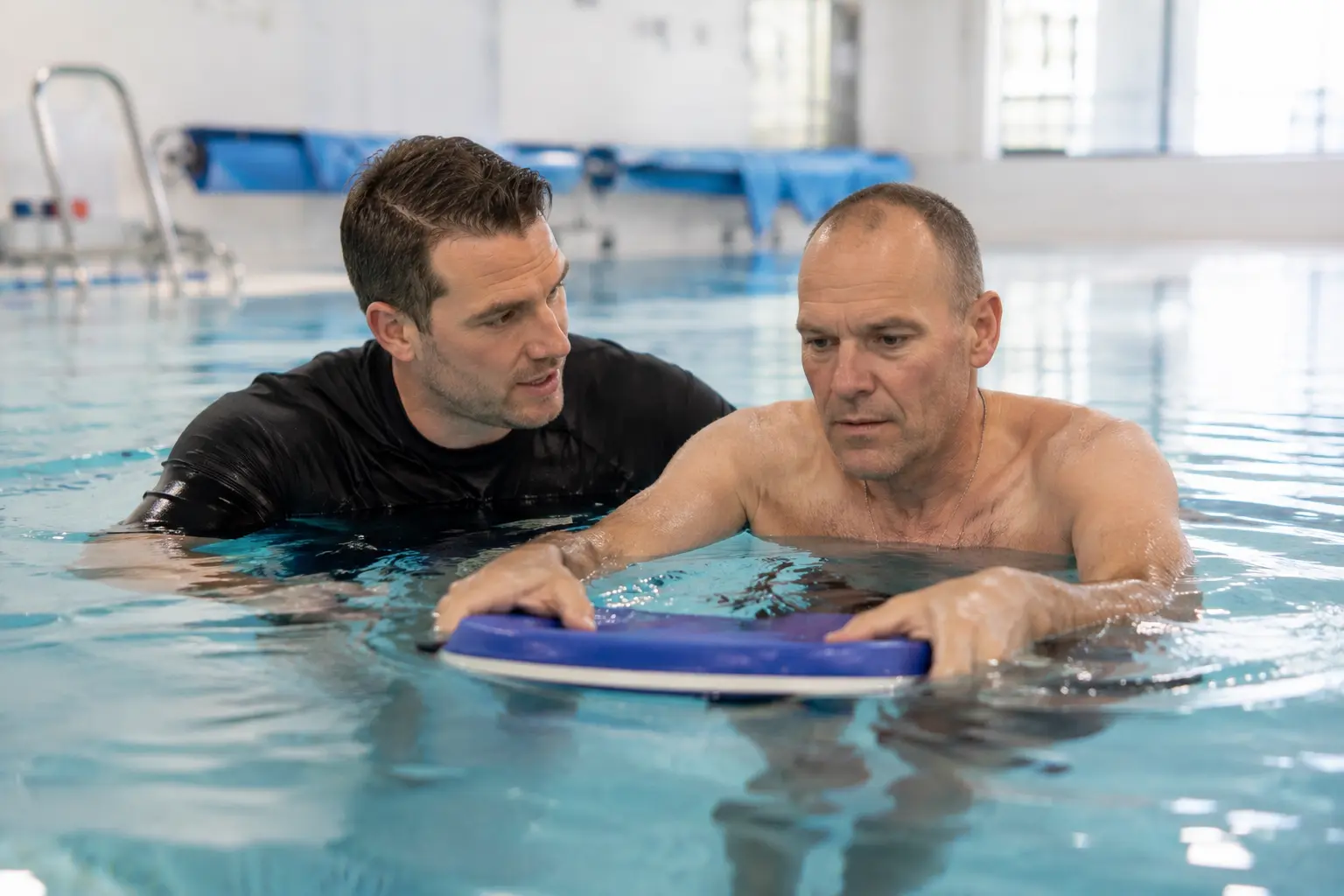
“Steve went to the pool.”
…can sound recreational in isolation.
But if:
…then it becomes very clear the support is directly connected to disability-related outcomes and independence.
That kind of alignment helps participants because it tells one clear story instead of forcing the planner to try and piece together fragmented information themselves.
• Share your relevant NDIS goals with each provider involved in your supports.
• Ask providers to document progress consistently throughout the year — not just before a review.
• Did you know support workers can contribute valuable evidence too? Support workers are often the people spending the most consistent time alongside participants in everyday life. That means they can provide incredibly valuable insight into mobility, endurance, independence, community access, safety, confidence, and day-to-day progress over time.
• Encourage communication between your support workers, therapists, support coordinator, and family where appropriate.
• If you have a support coordinator, ask them to help collect evidence-based and data-driven reports throughout the plan period (we recommend quarterly throughout the plan period).
• Avoid rushed “last minute” reports close to reassessment time.
– maintaining current funding
– increasing supports
– requesting assistive technology
– improving community access
– or working toward new goals not currently funded in your plan
The clearer the overall picture is, the easier it becomes to show how supports are helping build or maintain independence, safety, mobility, participation, and quality of life.